
Electric vs. Manual Toothbrushes: A Practical Look
What actually changes between the two, and how to choose for your routine. This guide focuses on the questions that shape a sensible decision and explains each trade-off in clear, practical terms.
Introduction
What actually changes between the two, and how to choose for your routine. This guide focuses on the questions that shape a sensible decision and explains each trade-off in clear, practical terms.
Start with your needs
Begin with the setting, frequency, and tasks that define everyday use. A short list of real requirements is more useful than a long list of impressive specifications.
Separate essentials from preferences before comparing options. This keeps the decision focused and makes compromises easier to understand.
Focus on features that matter
Look for features that directly improve reliability, comfort, or ease of use. Extra functions add value only when they solve a problem you actually have.
Compare like with like and consider how each choice will fit into your existing routine.
Think beyond the first day
Maintenance, durability, available space, and expected lifespan all influence long-term value. A considered choice should remain useful after the novelty wears off.
Our recommendations
As an Amazon Associate I earn from qualifying purchases.
Electric Toothbrush
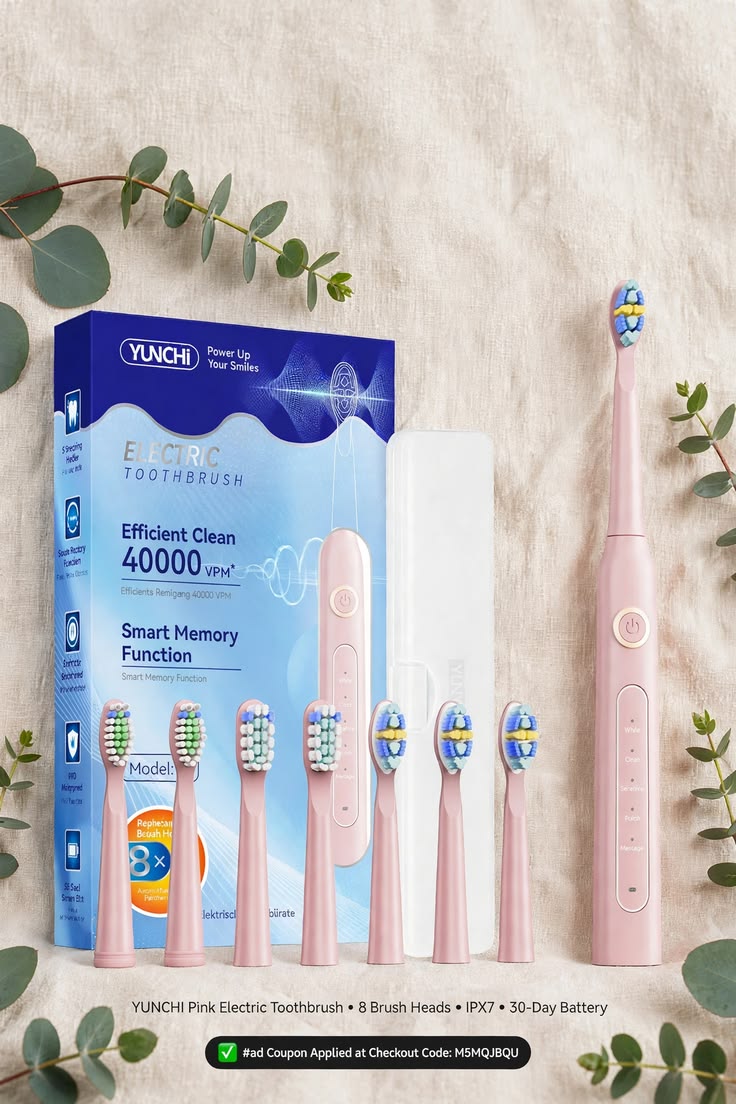
An electric toothbrush is an option to consider for everyday oral care. Depending on the model, useful features may include a built-in timer, rechargeable battery, and replaceable brush heads. Check the product listing to confirm which features are included.
Best for: People who want to explore electric toothbrush options for their daily oral care routine.
Key considerations
- Check the brushing modes and timer features.
- Review battery life and charging requirements.
- Check the price and availability of replacement brush heads.
- Consider brush head size and comfort.
- Review the product's compatibility with replacement heads.
- Follow your dentist's advice for your oral care needs.
Check on Amazon(opens in a new tab)(paid link)
Frequently asked questions
What should I decide before comparing options?
Set your essential needs, available space, and comfortable budget first. These boundaries make every later comparison clearer.
Are more features always better?
No. Features are valuable when they support your routine; otherwise they can add cost and complexity without improving the experience.
Related articles
 Home & Kitchen01
Editor’s guide
What to Look for When Buying a Cordless Stick Vacuum
Runtime, suction, bin size, filtration, weight and attachments: what really matters when choosing a cordless stick vacuum for your home.
Home & Kitchen02Editor’s guide
How to Choose the Right Coffee Maker for Your Home
Drip, pod, espresso, French press and more: how each approach fits different routines, budgets and kitchens, and what to consider before buying.
Home & Kitchen03Editor’s guide
How to Choose a Personal Blender for Everyday Use
Motor power, cup design, blade assemblies, cleaning and safety: how to choose a compact blender that suits the drinks and foods you make.