
Do You Really Need a Standing Desk?
A balanced guide to ergonomics, movement, and realistic daily use. This guide focuses on the questions that shape a sensible decision and explains each trade-off in clear, practical terms.
Introduction
A balanced guide to ergonomics, movement, and realistic daily use. This guide focuses on the questions that shape a sensible decision and explains each trade-off in clear, practical terms.
Start with your needs
Begin with the setting, frequency, and tasks that define everyday use. A short list of real requirements is more useful than a long list of impressive specifications.
Separate essentials from preferences before comparing options. This keeps the decision focused and makes compromises easier to understand.
Focus on features that matter
Look for features that directly improve reliability, comfort, or ease of use. Extra functions add value only when they solve a problem you actually have.
Compare like with like and consider how each choice will fit into your existing routine.
Think beyond the first day
Maintenance, durability, available space, and expected lifespan all influence long-term value. A considered choice should remain useful after the novelty wears off.
Our recommendations
As an Amazon Associate I earn from qualifying purchases.
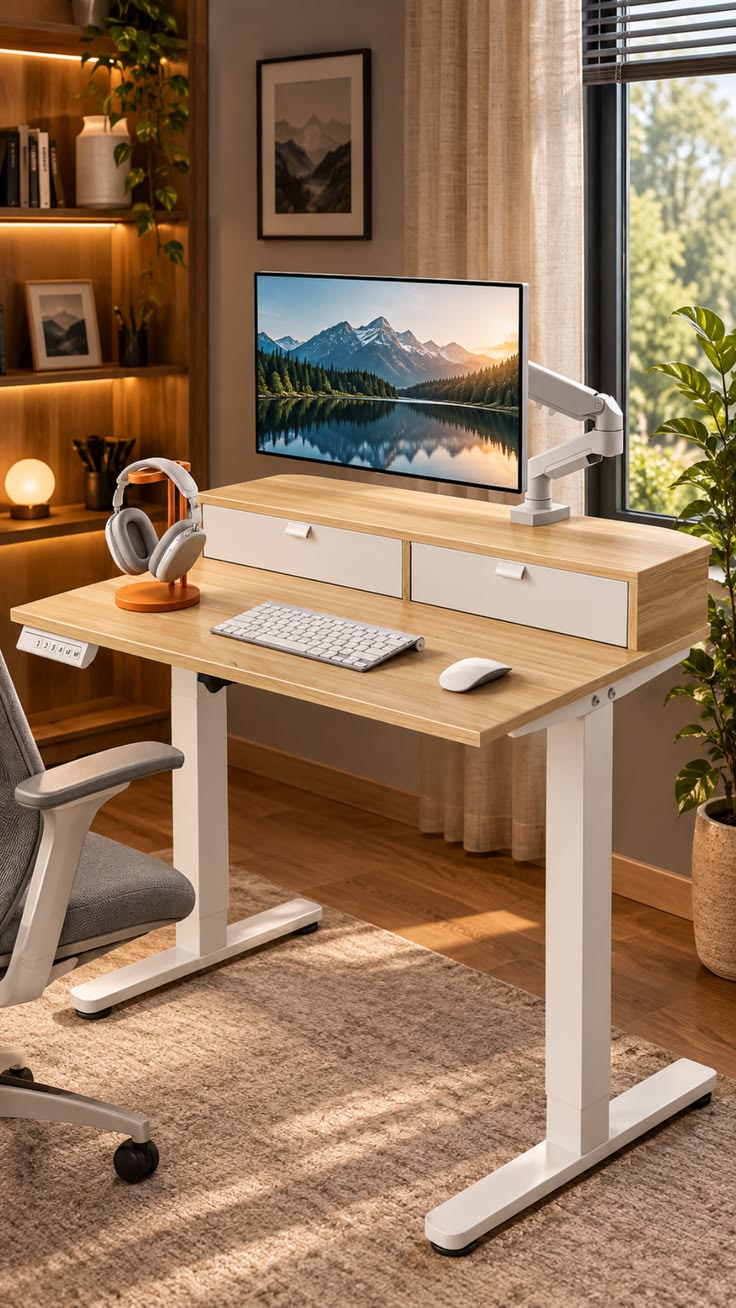
Electric Standing Desk
An electric standing desk allows users to adjust their working height to suit different tasks and preferences. Before choosing one, compare its adjustment range, desk size, stability, and available workspace.
Best for: People who want the flexibility to alternate between sitting and standing while working or studying at a desk.
Key considerations
- Check the minimum and maximum desk height.
- Compare the desktop size with your available workspace.
- Review stability at different working heights.
- Check the weight capacity and assembly requirements.
- Consider motor noise and power requirements.
- Compare the warranty and return policy.
Check on Amazon(opens in a new tab)(paid link)
Frequently asked questions
What should I decide before comparing options?
Set your essential needs, available space, and comfortable budget first. These boundaries make every later comparison clearer.
Are more features always better?
No. Features are valuable when they support your routine; otherwise they can add cost and complexity without improving the experience.
Related articles
Office & Lifestyle01Editor’s guide
A Practical Guide to Choosing a Wireless Keyboard and Mouse
Connection types, layouts, key feel, mouse shape and battery trade-offs, explained for everyday work, study and home use.
Office & Lifestyle02Editor’s guide
Building a Better Home Office: What Matters Most
The upgrades that improve comfort and focus—and the ones you can skip.
 Home & Kitchen03
Editor’s guide
What to Look for When Buying a Cordless Stick Vacuum
Runtime, suction, bin size, filtration, weight and attachments: what really matters when choosing a cordless stick vacuum for your home.